
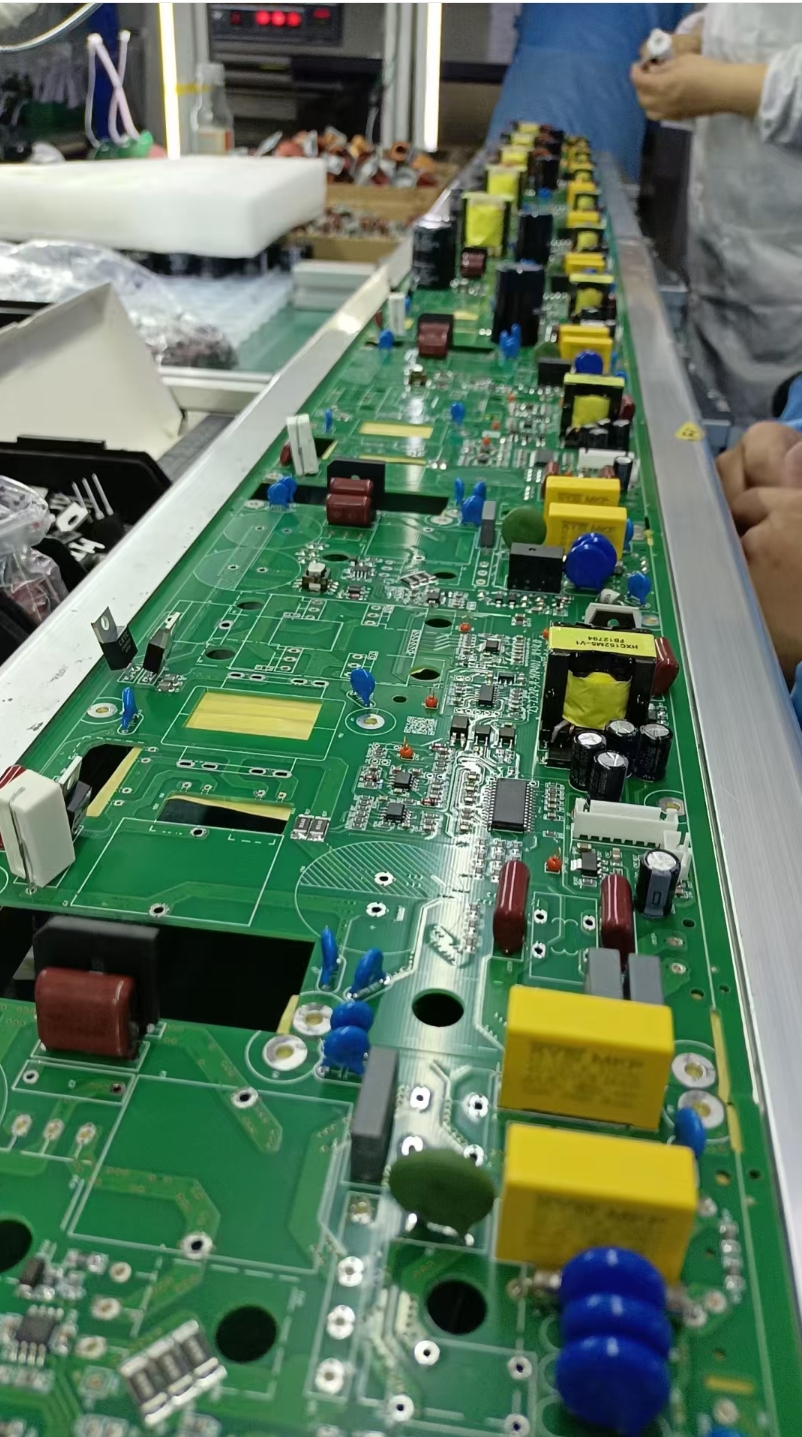
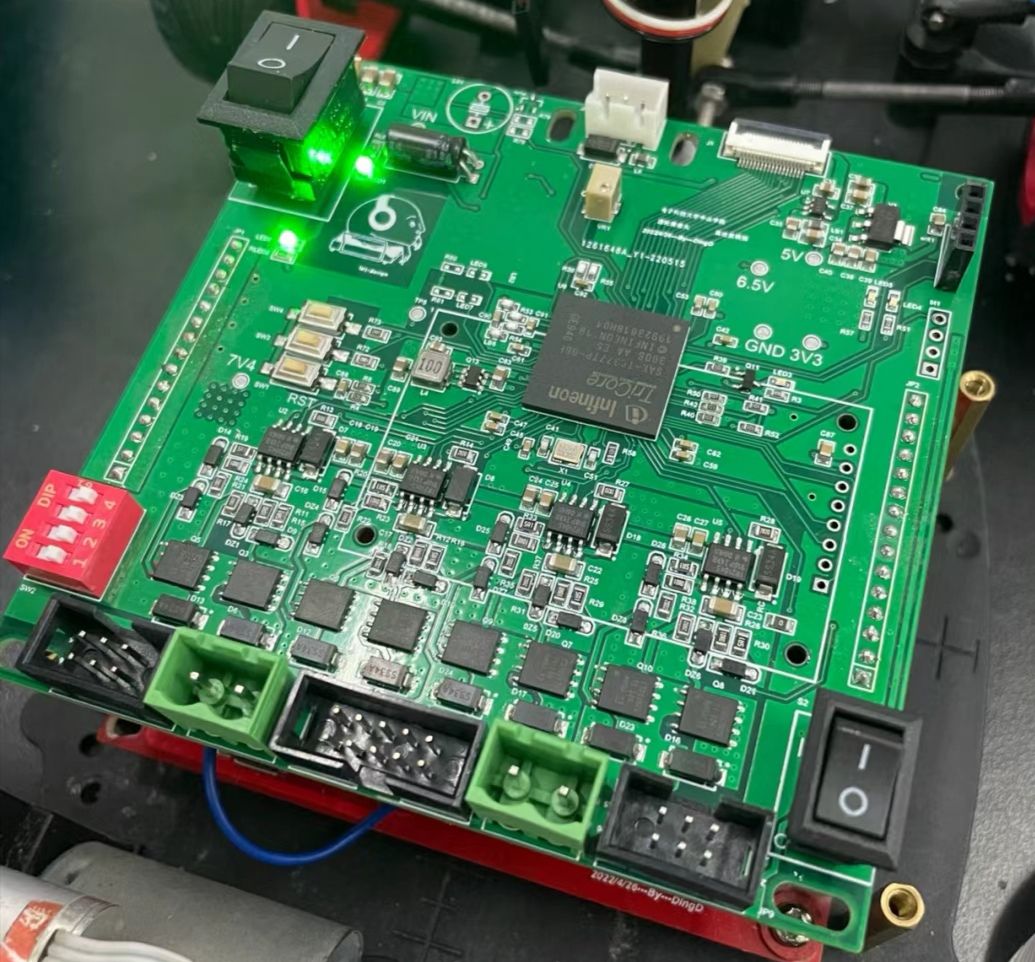
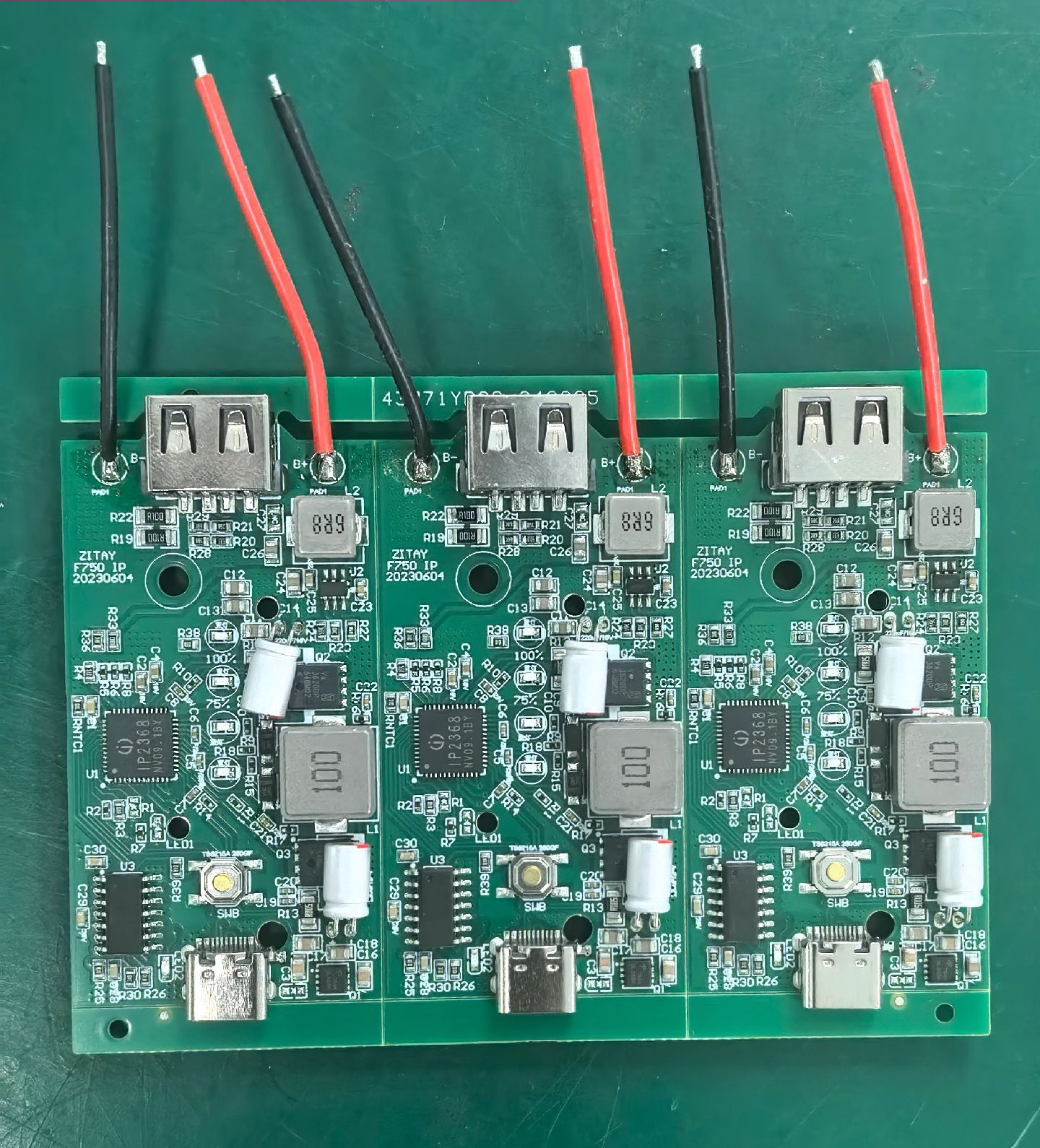
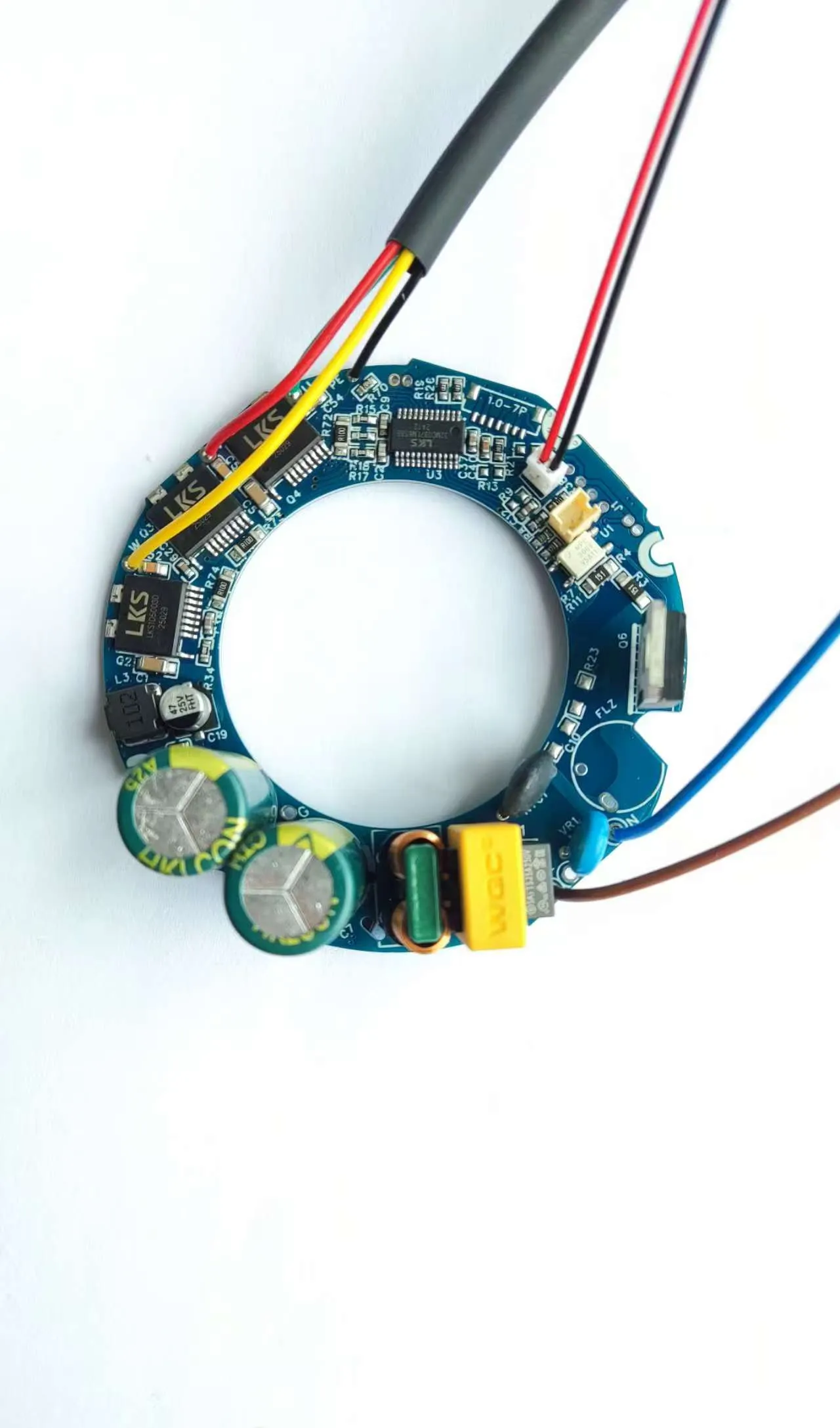
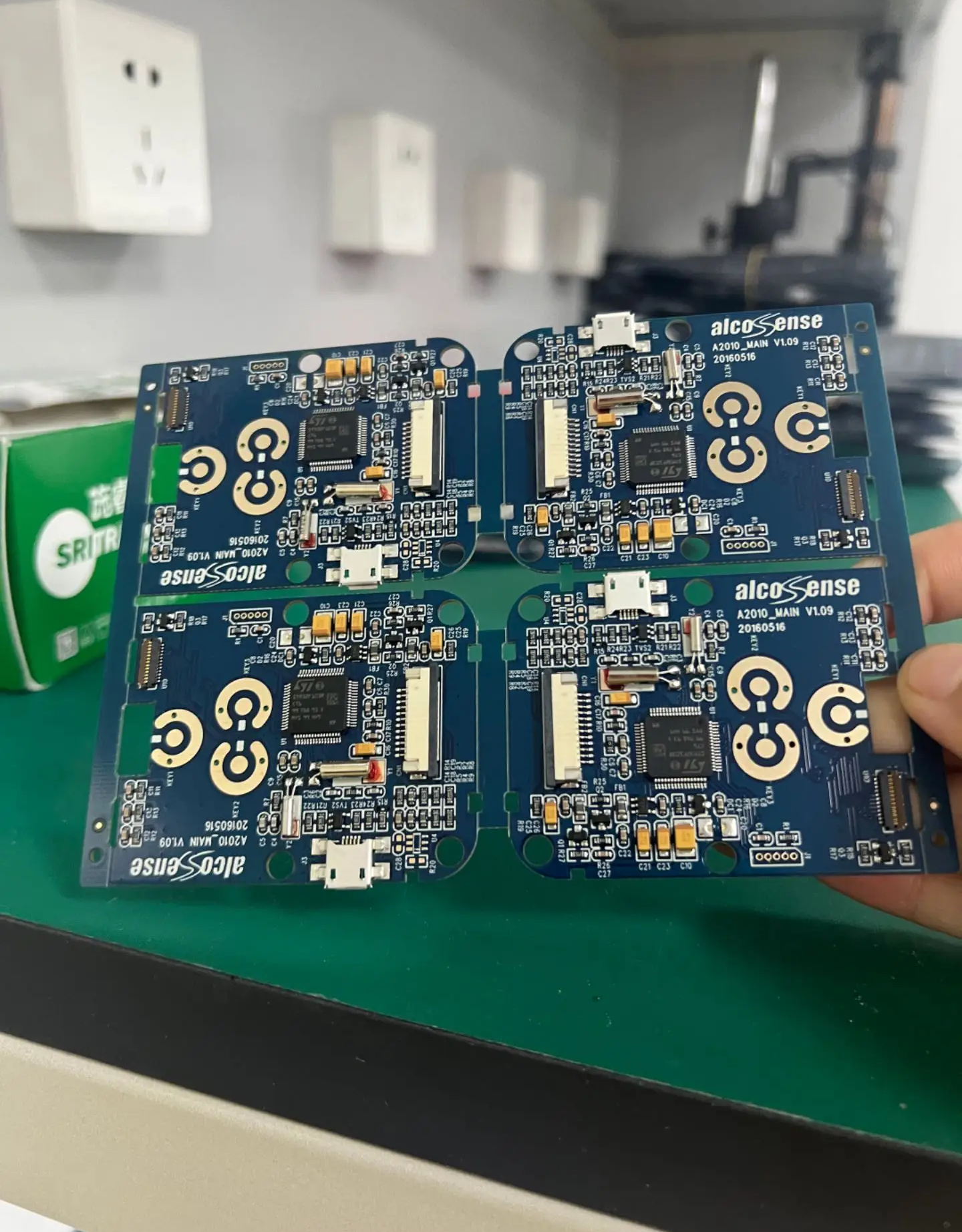
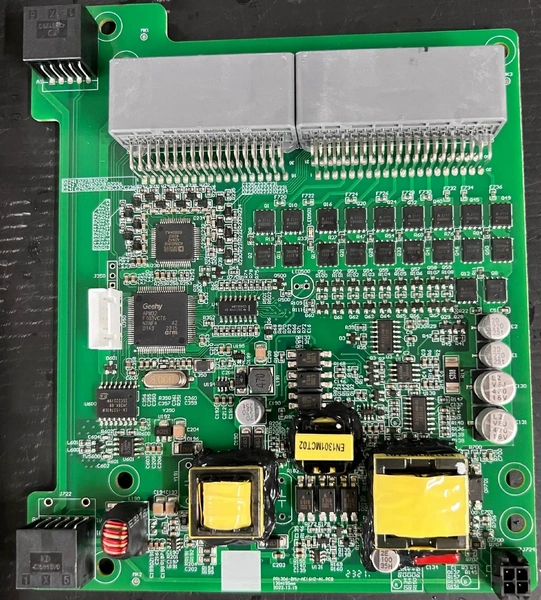
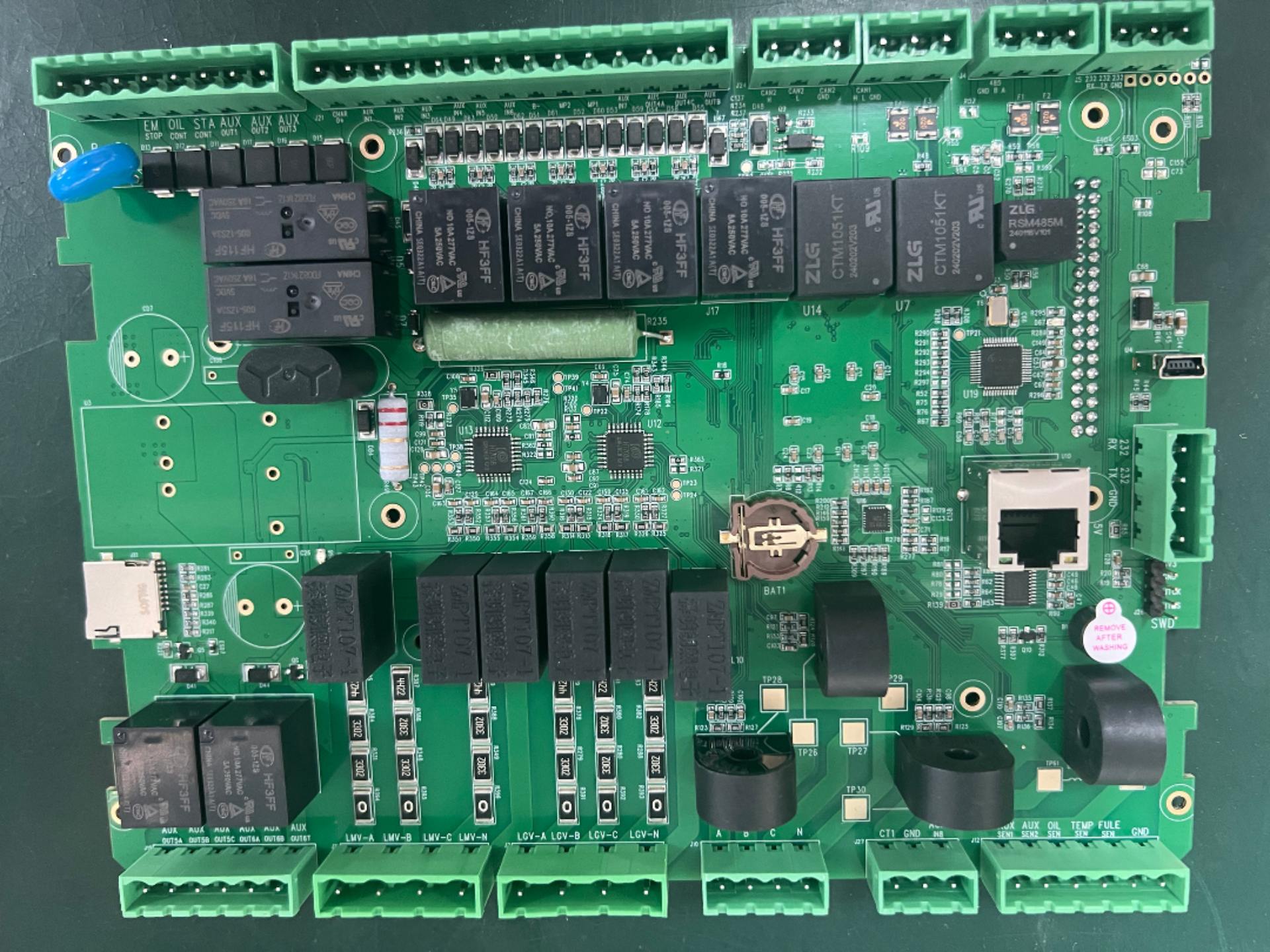
Mounting holes are holes drilled into a PCB, used to mount the PCB onto a chassis or enclosure. They are typically located at the corners or other key positions of the board and surrounded by copper pads or annular pads.
There are two types of mounting holes: plated and non-plated.
- Plated mounting holes are used for electrical connection between PCB layers. They provide reliable fixing points to ensure components are firmly mounted on the PCB, enable connectivity between circuit layers, and facilitate signal transmission and ground connection.
- Non-plated mounting holes are mainly used for mechanical fastening. They isolate the mounting holes from other components and traces to avoid interference with the circuit. This type of mounting hole plays a crucial role in maintaining the stability and reliability of the PCB, as it can effectively fix and support the board, reducing the impact of mechanical stress and vibration on components.
Mounting holes play a vital role in PCB design, providing functions such as reliable installation, alignment positioning, mechanical support, and heat dissipation. Proper layout and use of relevant connection technologies can ensure the stable and reliable operation of the PCB in practical applications.


10585 View