
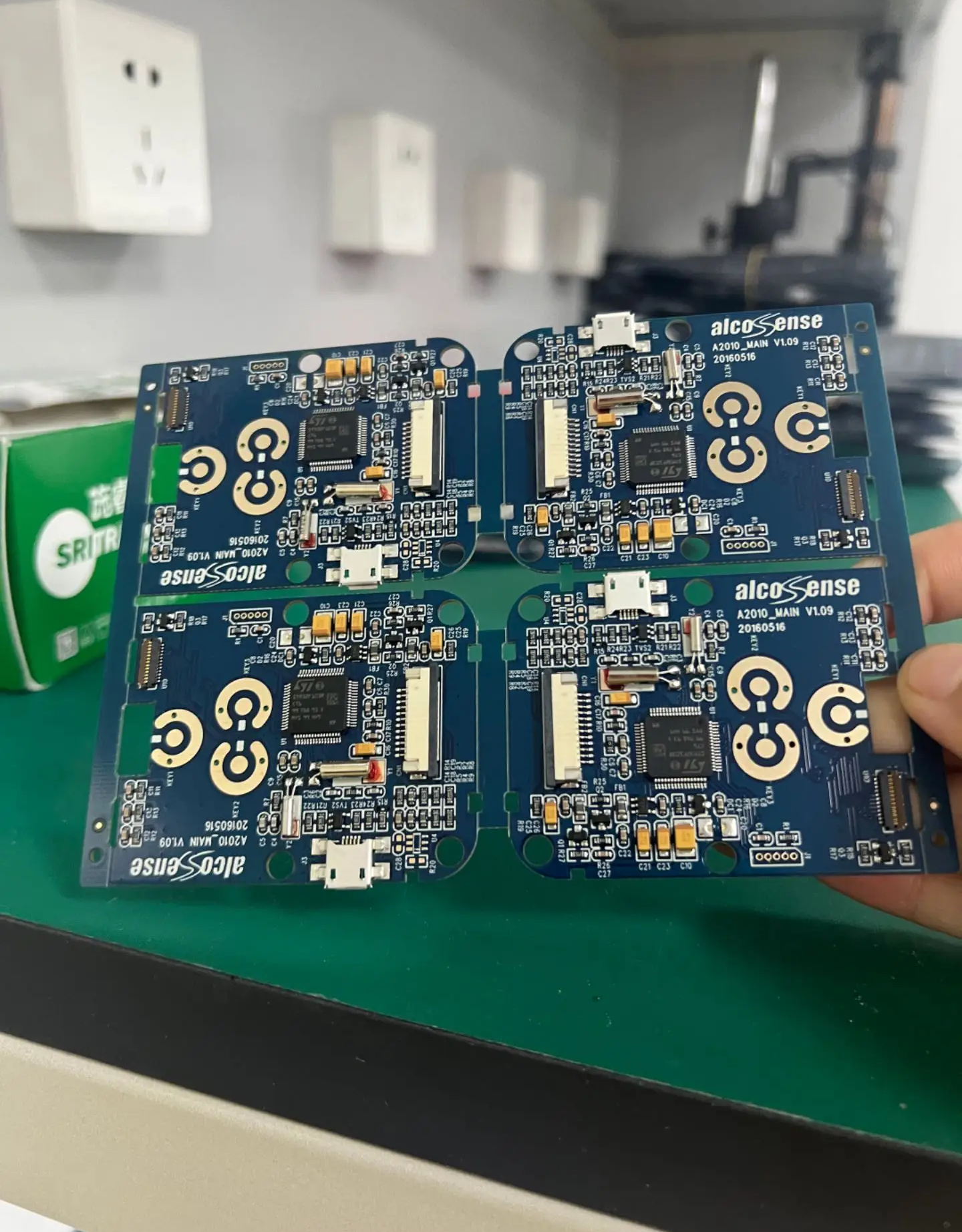
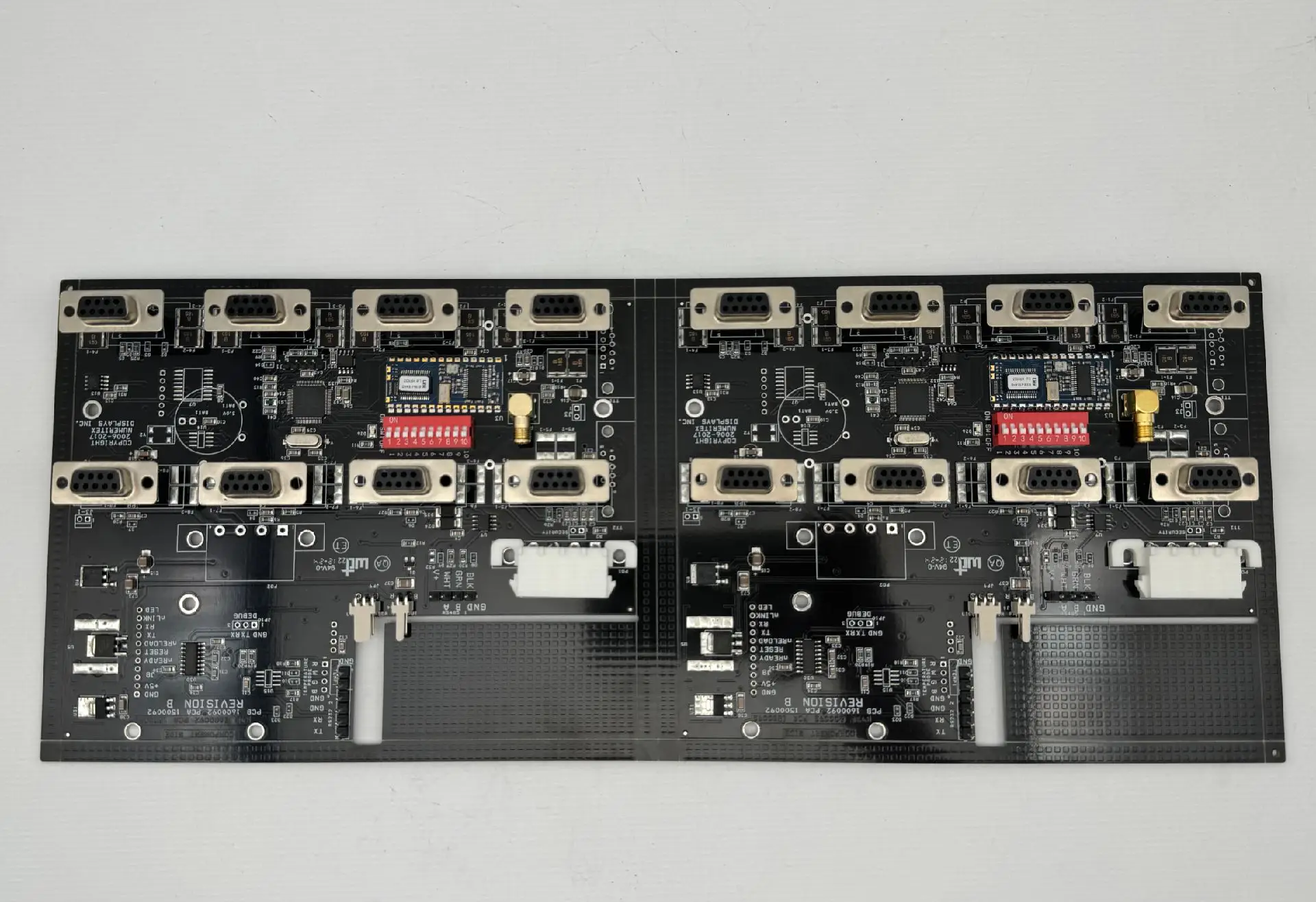
Do you assume the process edge on a PCB is insignificant? That is a major misconception. Without the process edge, the board would encounter issues even during production and shipment. What specific functions does the process edge serve? There are 5 key ones:
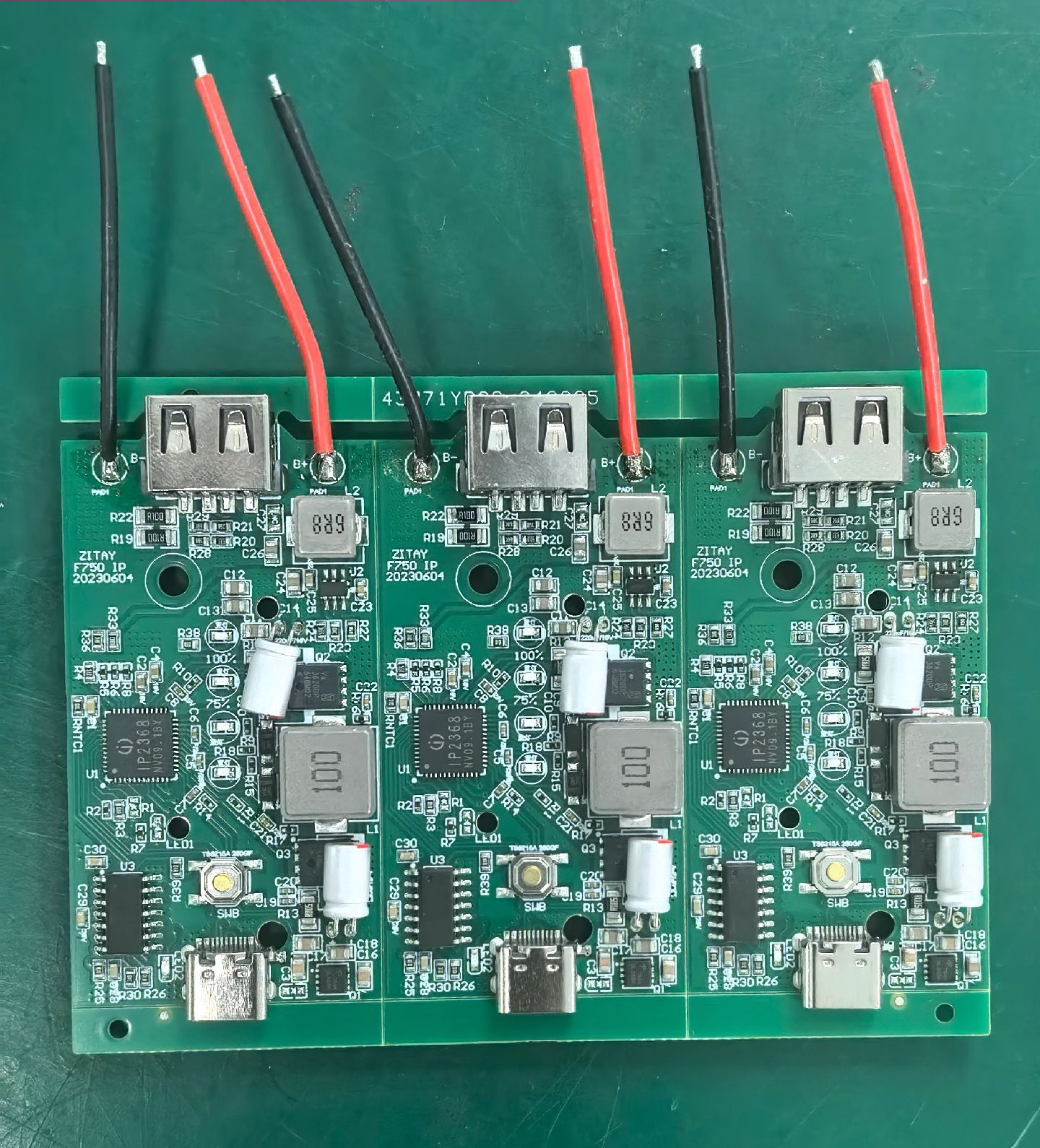
1. Protection Function: Shields the functional area (the core part of the PCB where circuits and components are arranged to realize electrical functions) of the board from damage during handling and processing.
2. Positioning Function: Enables the board to be accurately positioned on automated equipment (such as SMT placement machines and wave soldering machines), ensuring the precision of subsequent processing steps.
3. Carrying Function: Provides support for key components (e.g., connectors, chips that need additional fixation) and simplifies the assembly process, making it easier to integrate the board into the final product.
4. Process Guidance Function: Guides the processing flow through process marks (such as alignment marks, polarity marks) printed on it, helping operators or equipment identify the correct processing direction and parameters.
5. Isolation Function: Reduces electromagnetic interference (EMI) and signal crosstalk between different layers of multi-layer PCBs (PCBs with two or more conductive layers separated by insulating materials), ensuring the stability of signal transmission.
Thus, the process edge is far more than just a "leftover part"; it is directly linked to production efficiency and product quality, playing an indispensable role in the PCB manufacturing process.
10585 View