
High-end PCB Industry Enters a New Phase of Three-dimensional Upgrade in Materials, Processes and Products
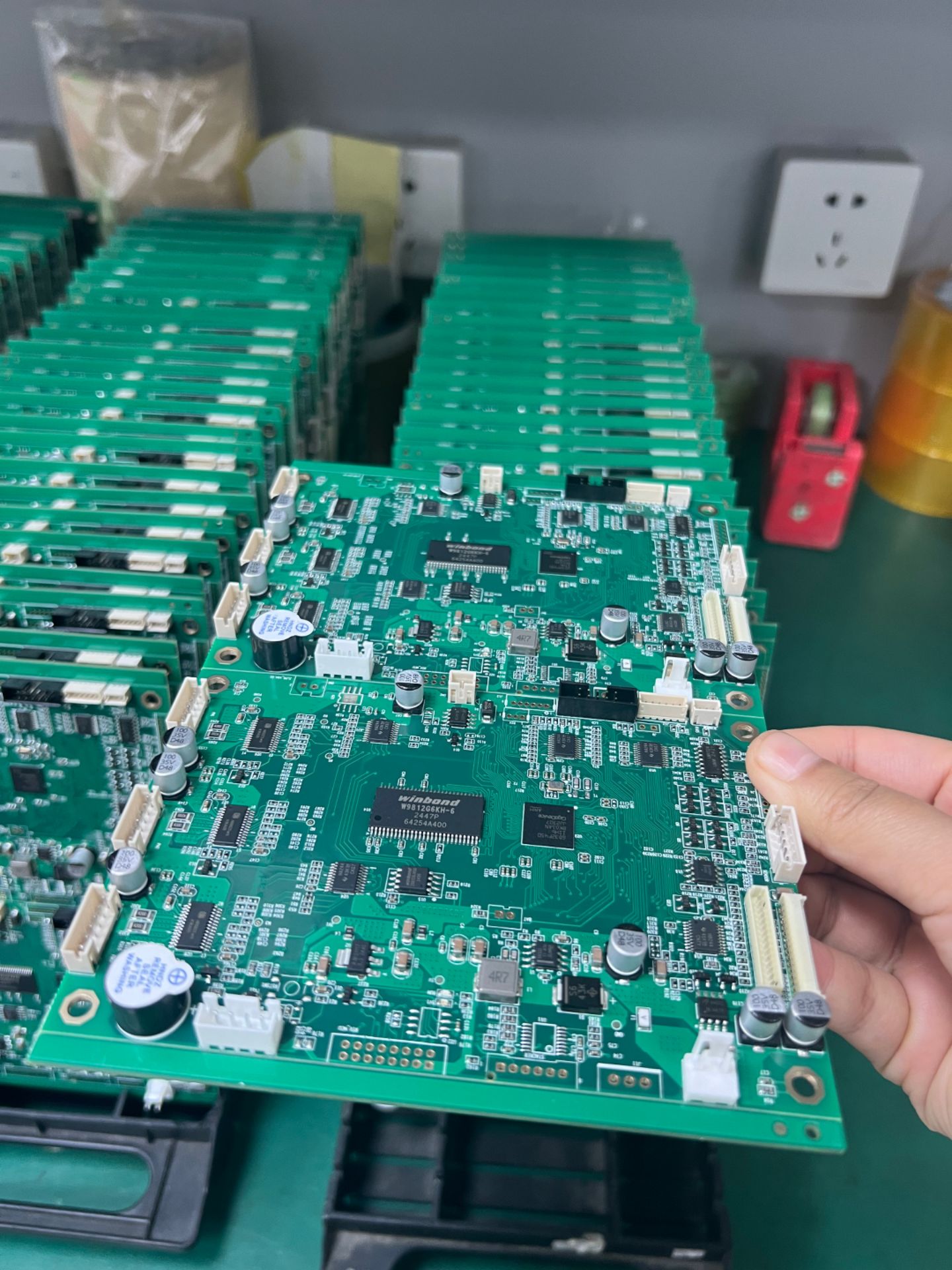
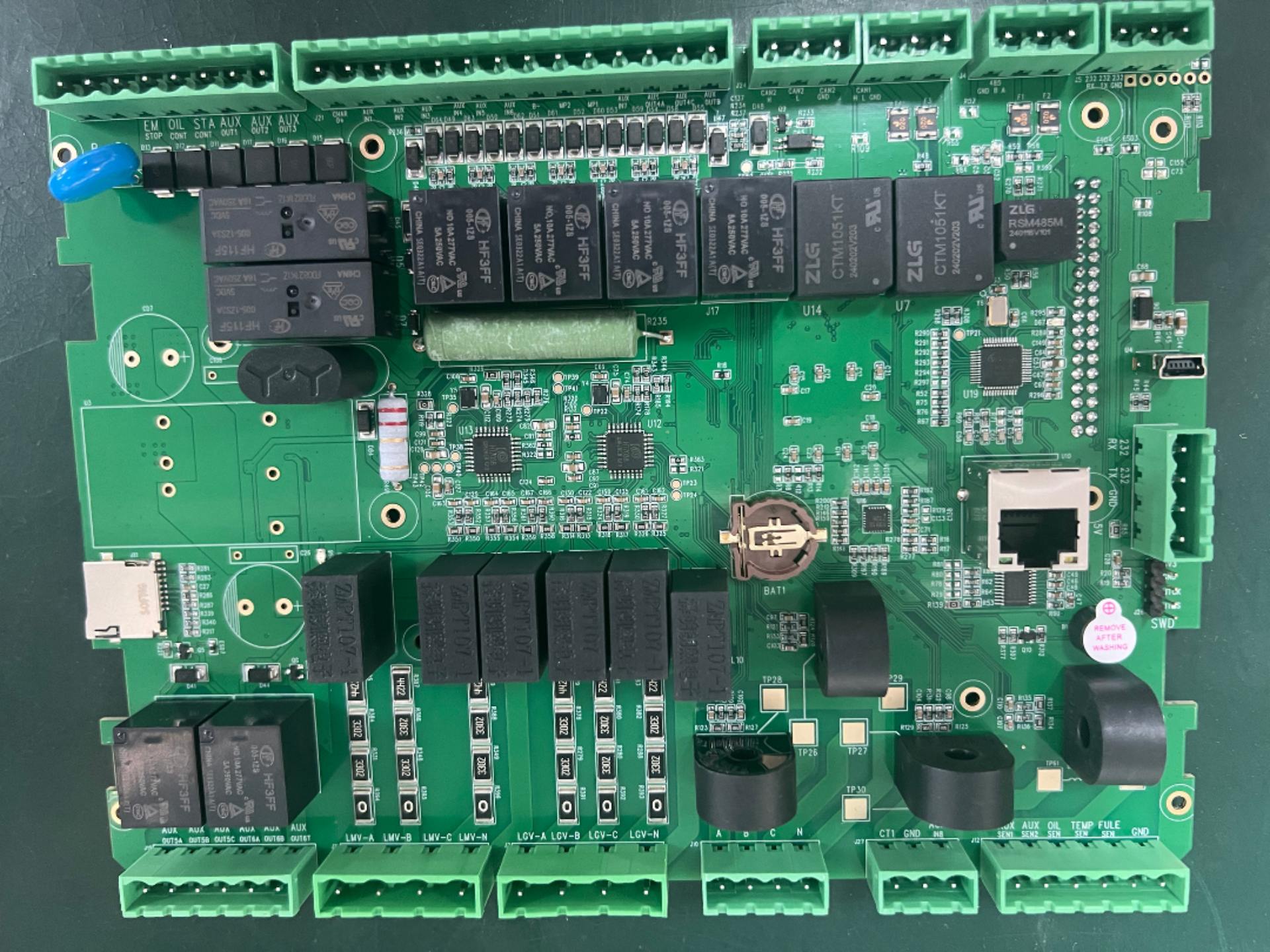
The explosive development of generative AI is reshaping the competitive landscape of the global information and communication technology (ICT) industry. As the core bearing foundation for electronic components, printed circuit boards (PCBs) are gradually breaking away from their positioning as "behind-the-scenes supporting components" and accelerating their transformation into a high-end, high-value-added core track. The stringent standards of AI computing scenarios for data transmission speed, integration density, and operational stability have directly spurred strong market demand for high-end PCB products, forcing the entire industrial chain to launch a comprehensive upgrade process in three dimensions: material systems, manufacturing processes, and product forms.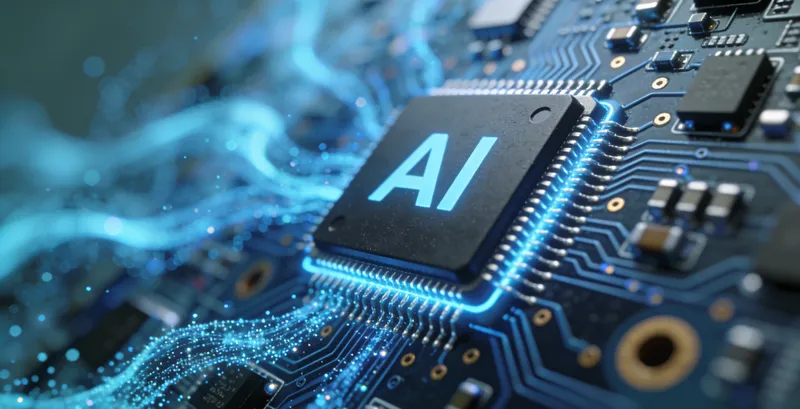
The core engine driving the industry's leap towards high-end development stems from the continuous expansion of capital investment by global leading technology enterprises and cloud service providers. Their large-scale layout in the field of computing power infrastructure has directly driven the market growth of terminal products such as high-speed servers and high-end network switching equipment, thereby stimulating a surge in demand for high-end PCB products including high-layer printed circuit boards (14 layers and above MLPCB) and third-order and above high-end HDI boards. In the next few years, the compound annual growth rate of such high-value-added products will significantly outpace the overall industry level, becoming the core driver for promoting the value enhancement of the PCB industry.
The innovation and upgrading of material systems is a key entry point for the breakthrough of the high-end PCB industry. To meet the demand for high-speed signal transmission of 112Gbps and above and minimize signal attenuation, copper clad laminates are iterating towards the direction of low dielectric constant (Dk) and low dissipation factor (Df). The material composition is gradually extending from traditional epoxy resin to special high-performance materials such as polyphenylene ether, modified hydrocarbon resin, and polytetrafluoroethylene. At the same time, the application scope of new reinforcing materials such as low Dk glass fiber cloth and quartz cloth, as well as ultra-low profile copper foil (HVLP), continues to expand, further optimizing signal transmission efficiency at the micro level and laying the foundation for the performance breakthrough of high-end PCBs.
The progressive breakthrough of manufacturing processes has become an important support for the high-end transformation. Traditional manufacturing processes can no longer meet the production requirements of high frequency, high speed, and fine circuits. The modified semi-additive process (MSAP) has gradually become mainstream due to its precision circuit processing capabilities, while back drilling technology has effectively solved the reflection problem in high-speed signal transmission, becoming the core manufacturing process for systems with speeds above 112Gbps. The large-scale application of high-end processes not only significantly improves the core performance indicators of products, but also builds a high technical barrier for industry entry, promoting the transformation of the industry towards high-quality development.
The innovative restructuring of product forms demonstrates the disruptive impact of AI computing architecture on PCB design. To improve chip integration and equipment interconnection bandwidth, a new generation of server products has gradually adopted high-layer, high-integration backplanes to replace traditional cable connection schemes, resulting in a substantial increase in the value of a single motherboard. In the field of cutting-edge technology exploration, some schemes have begun to attempt directly integrating chips onto high-performance PCB substrates, transforming PCBs from simple component bearing and connection carriers into core functional components deeply involved in system integration.
Overall, the impact of generative AI has long exceeded the software and application level, and is triggering a profound transformation of the entire industrial chain from the underlying hardware. The high-end transformation of the PCB industry is a typical microcosm of this change. From the technological innovation of material systems, the continuous refinement of manufacturing processes, to the in-depth integration and innovation of product forms with computing power systems, China's PCB industrial chain is not only facing the challenge of catching up with core technologies, but also ushering in an important historical opportunity to enter the global high-end manufacturing supply chain and achieve industrial upgrading.
10585 View