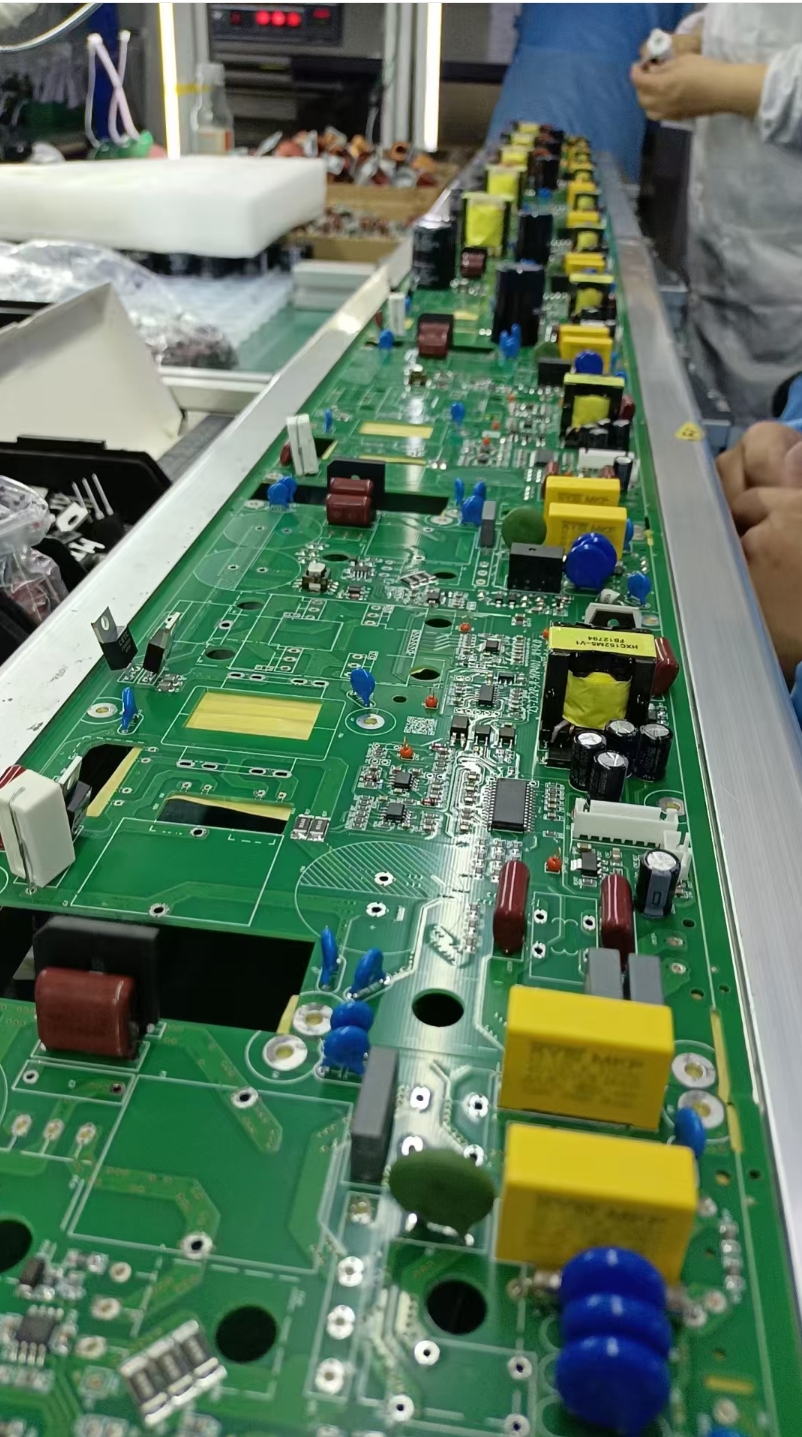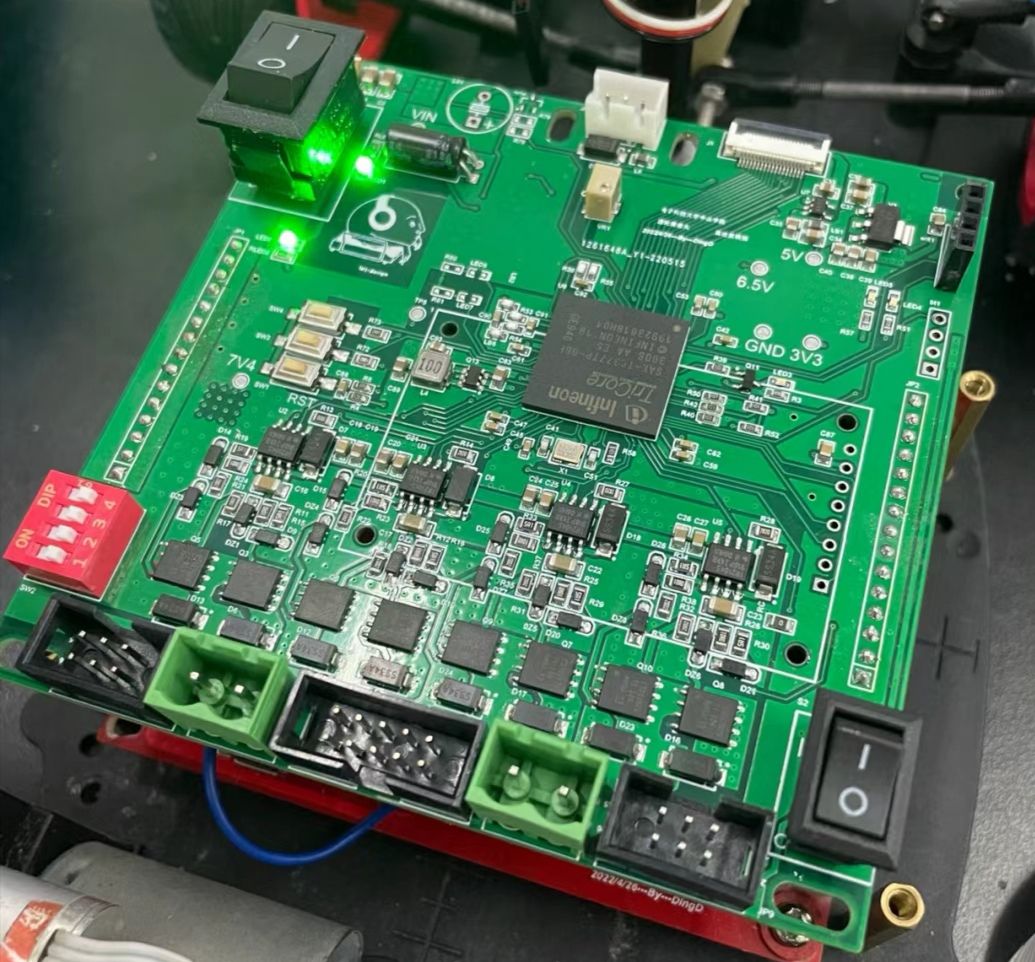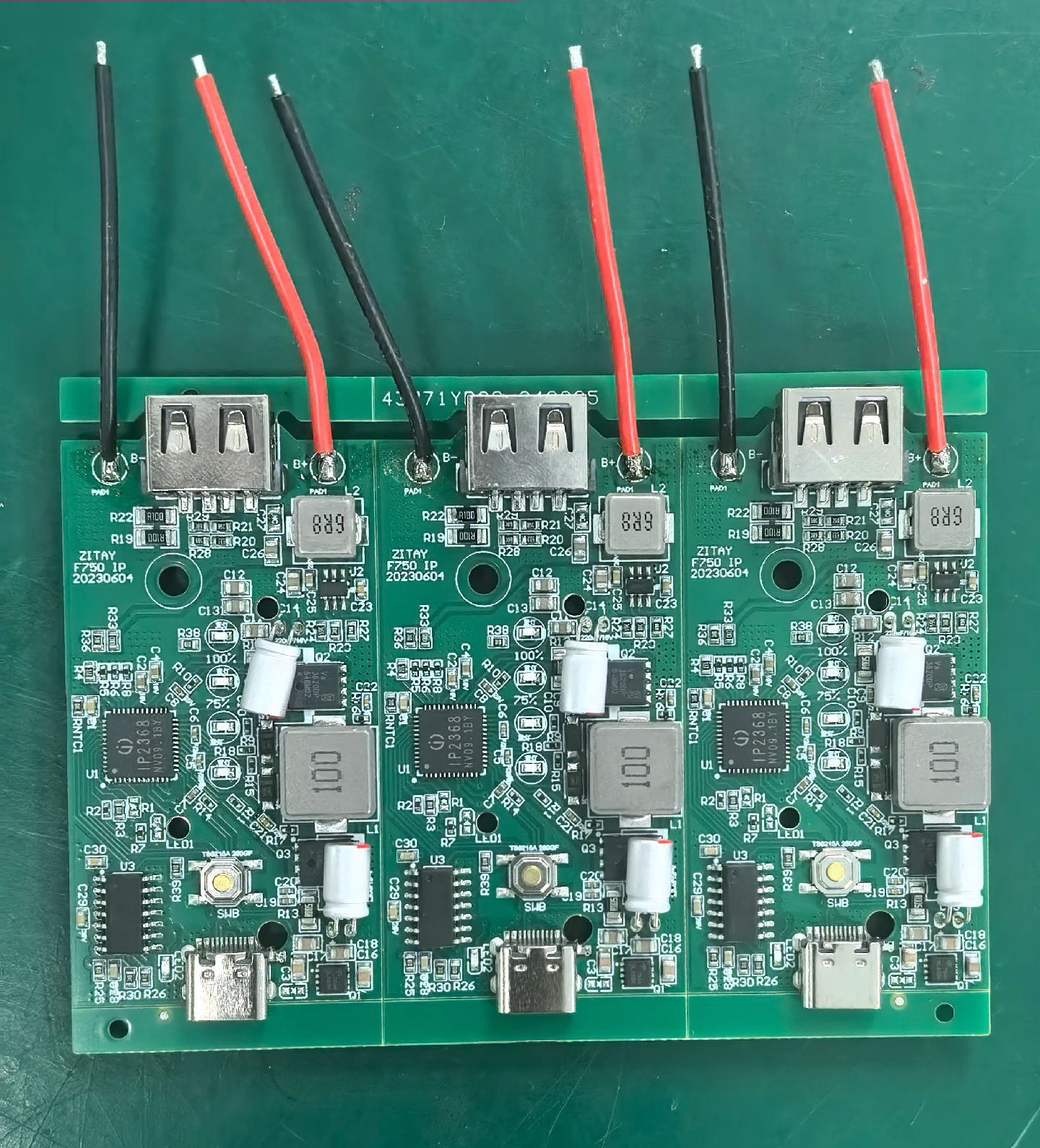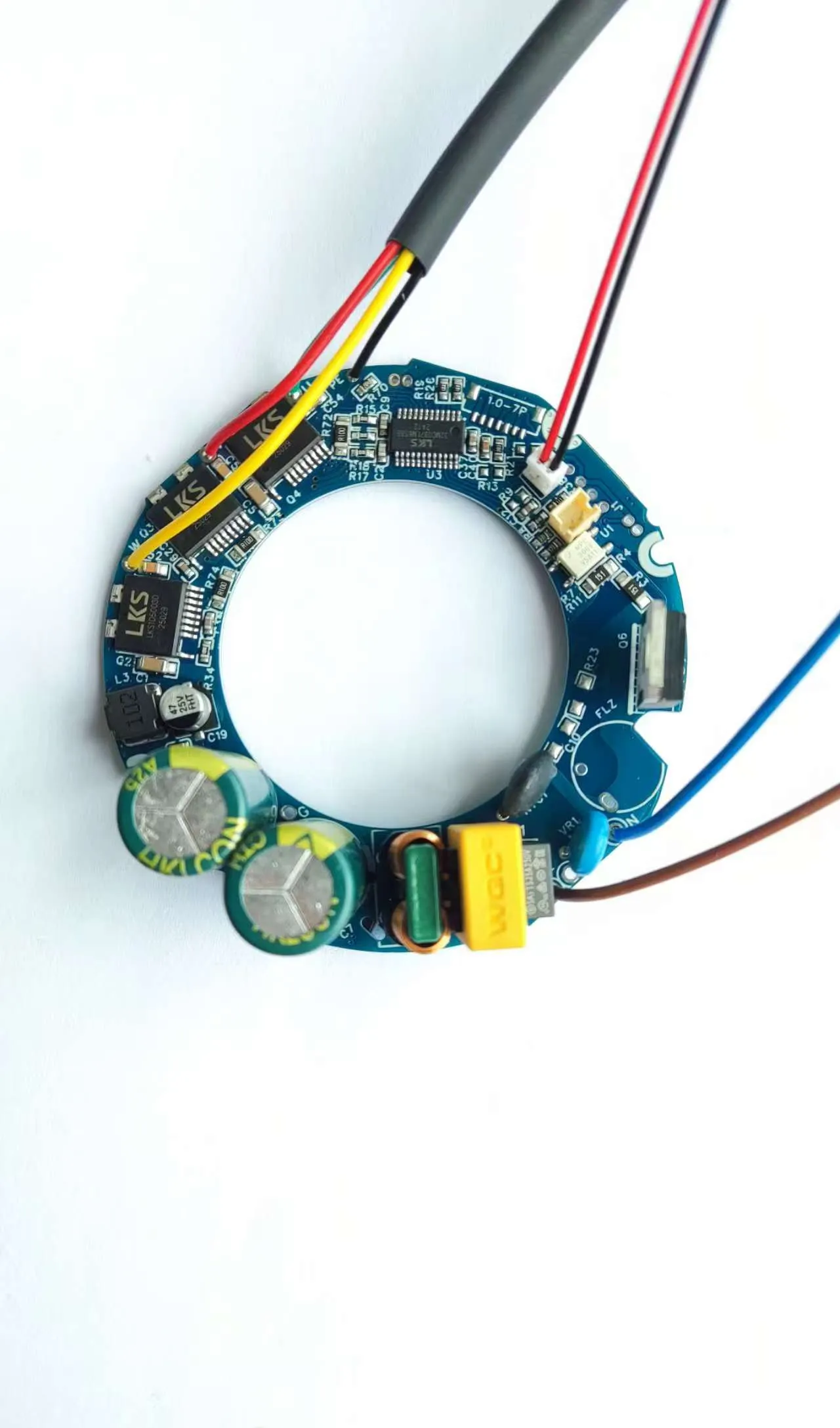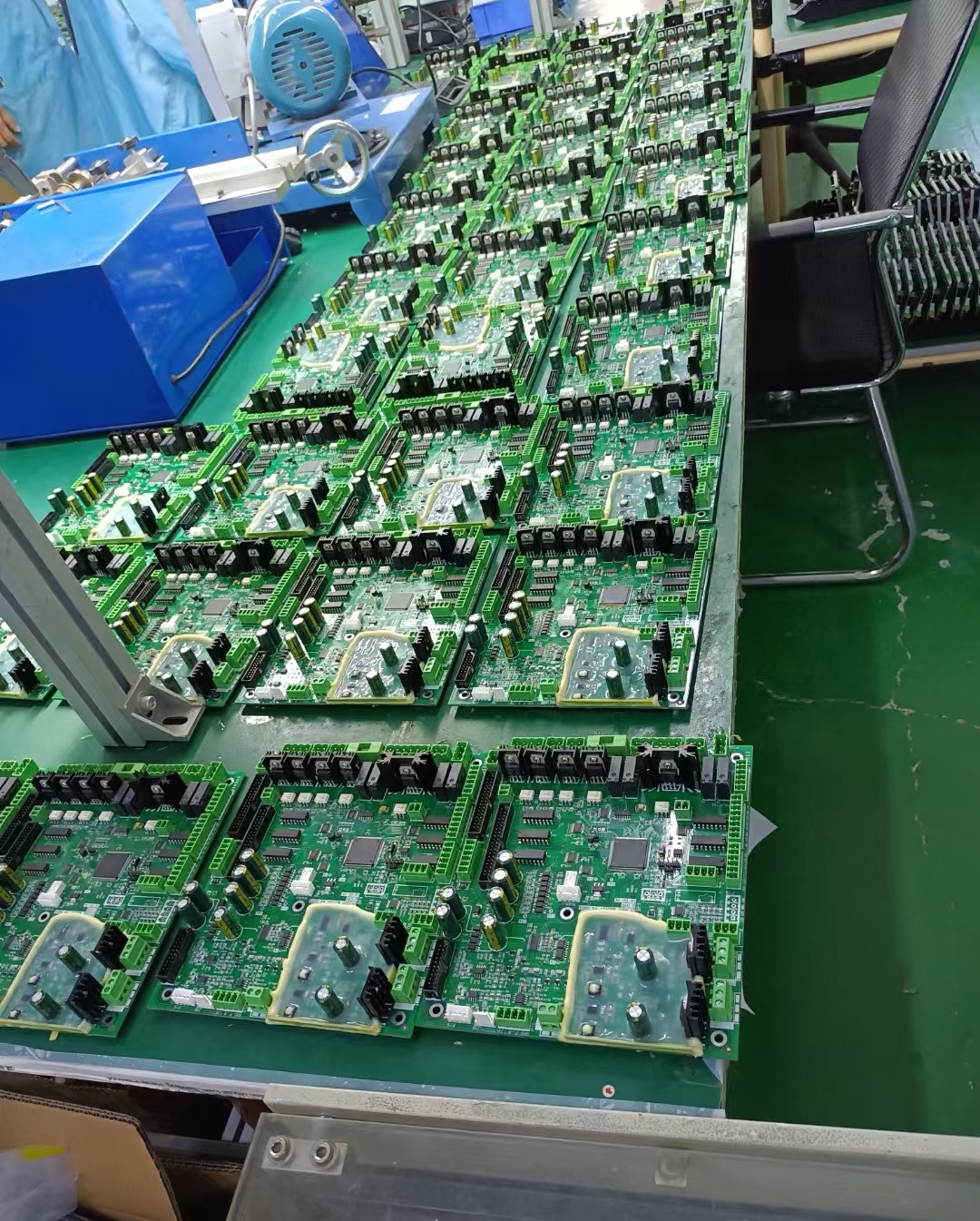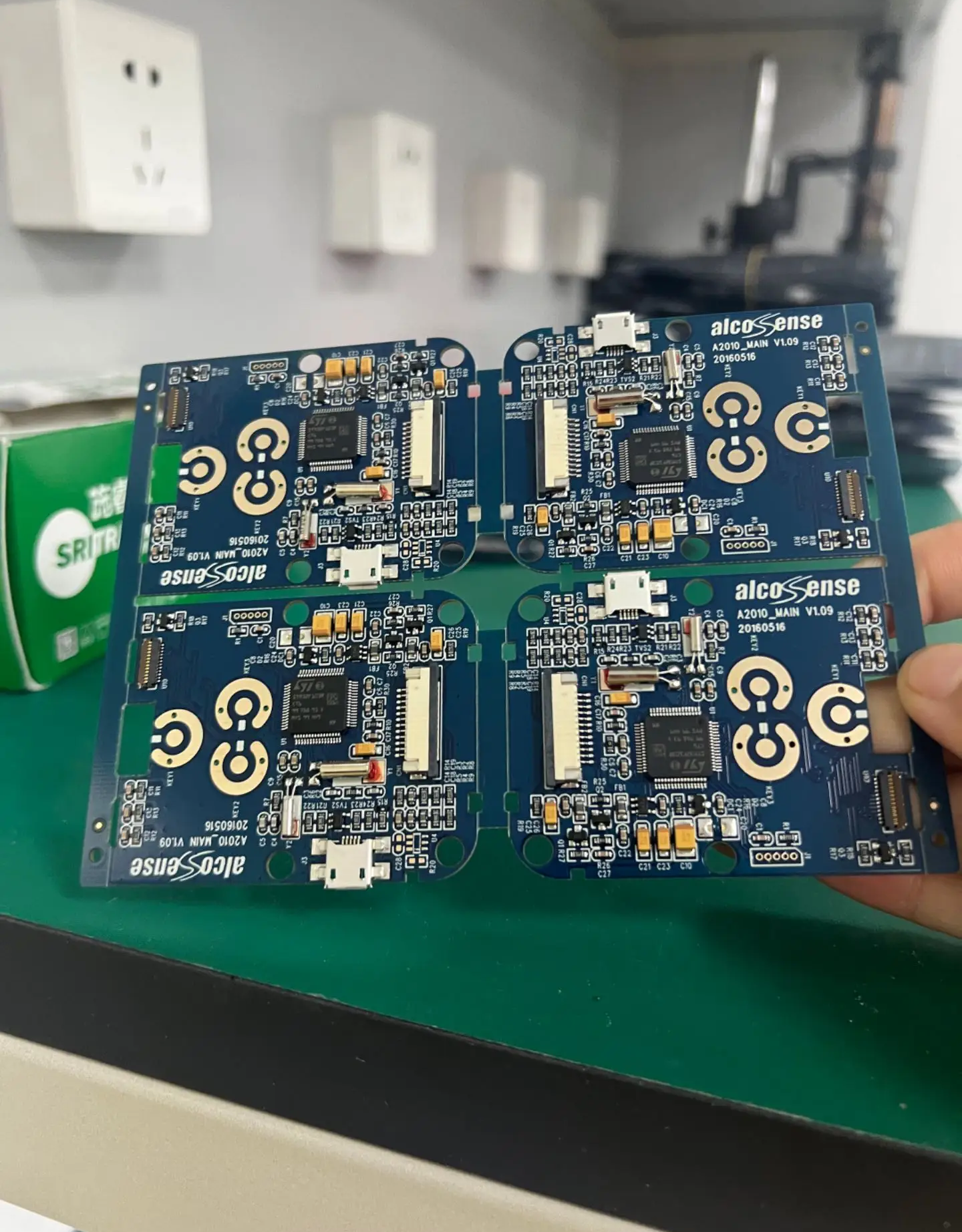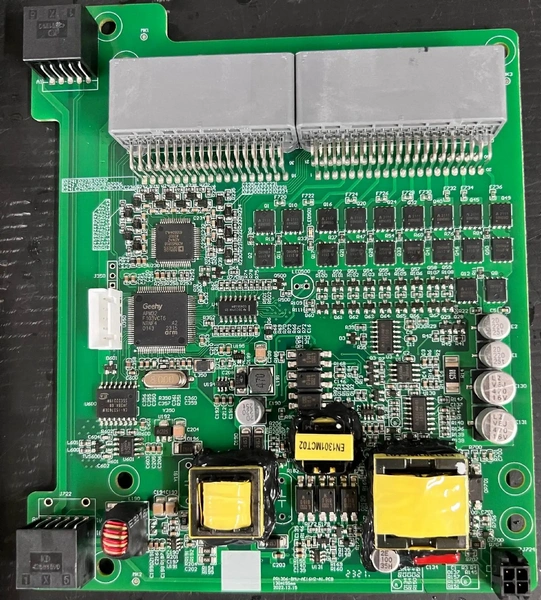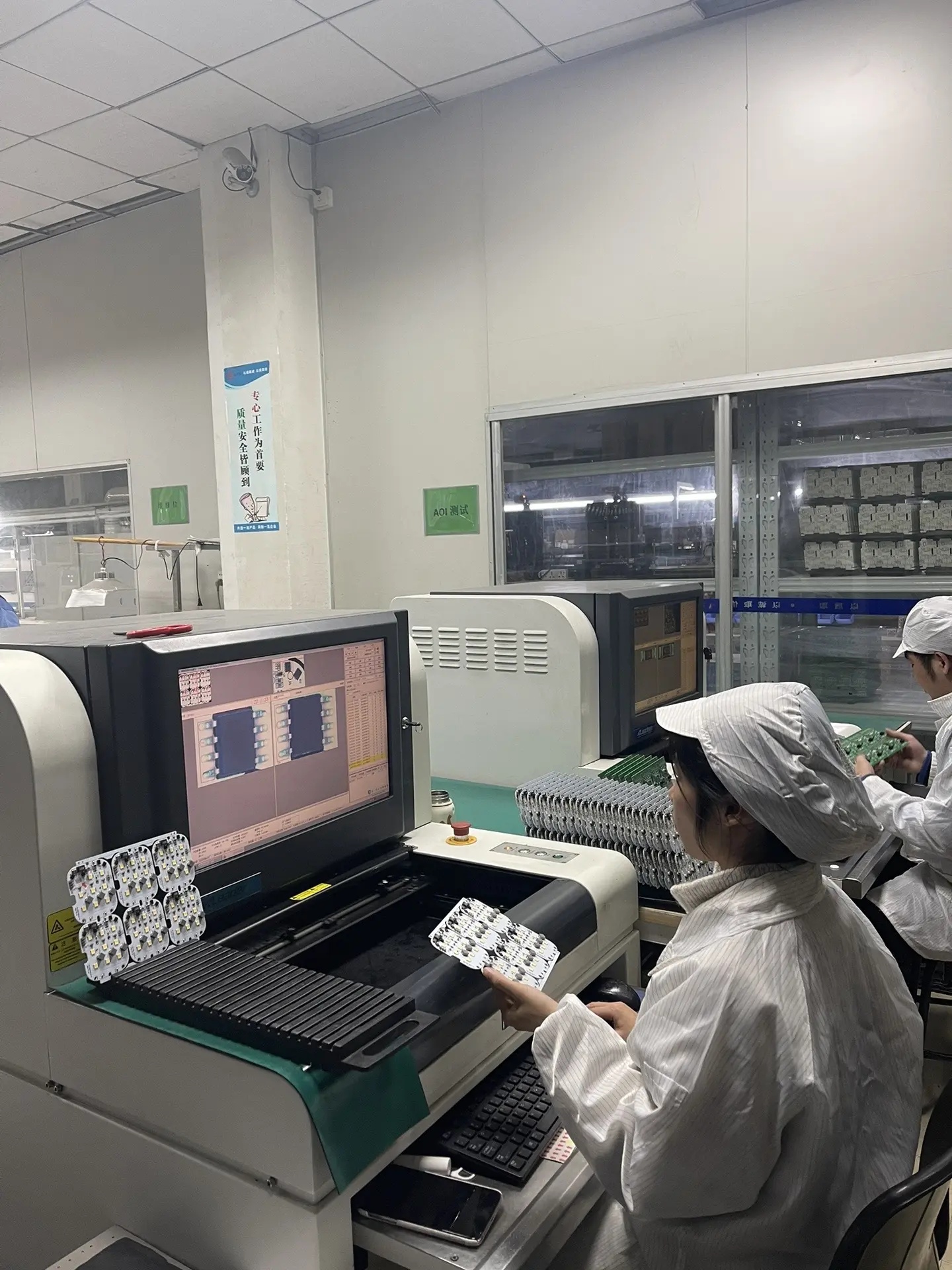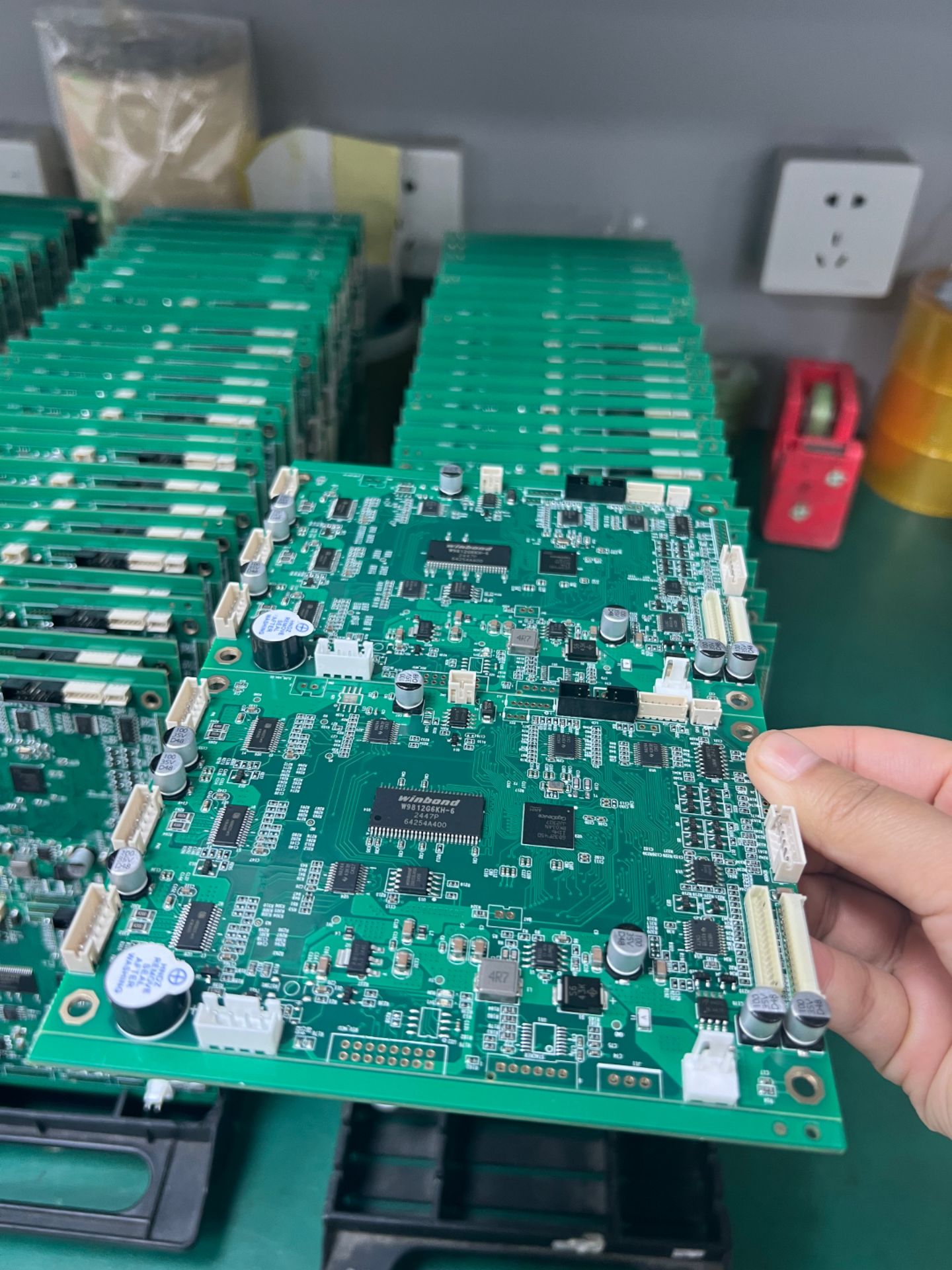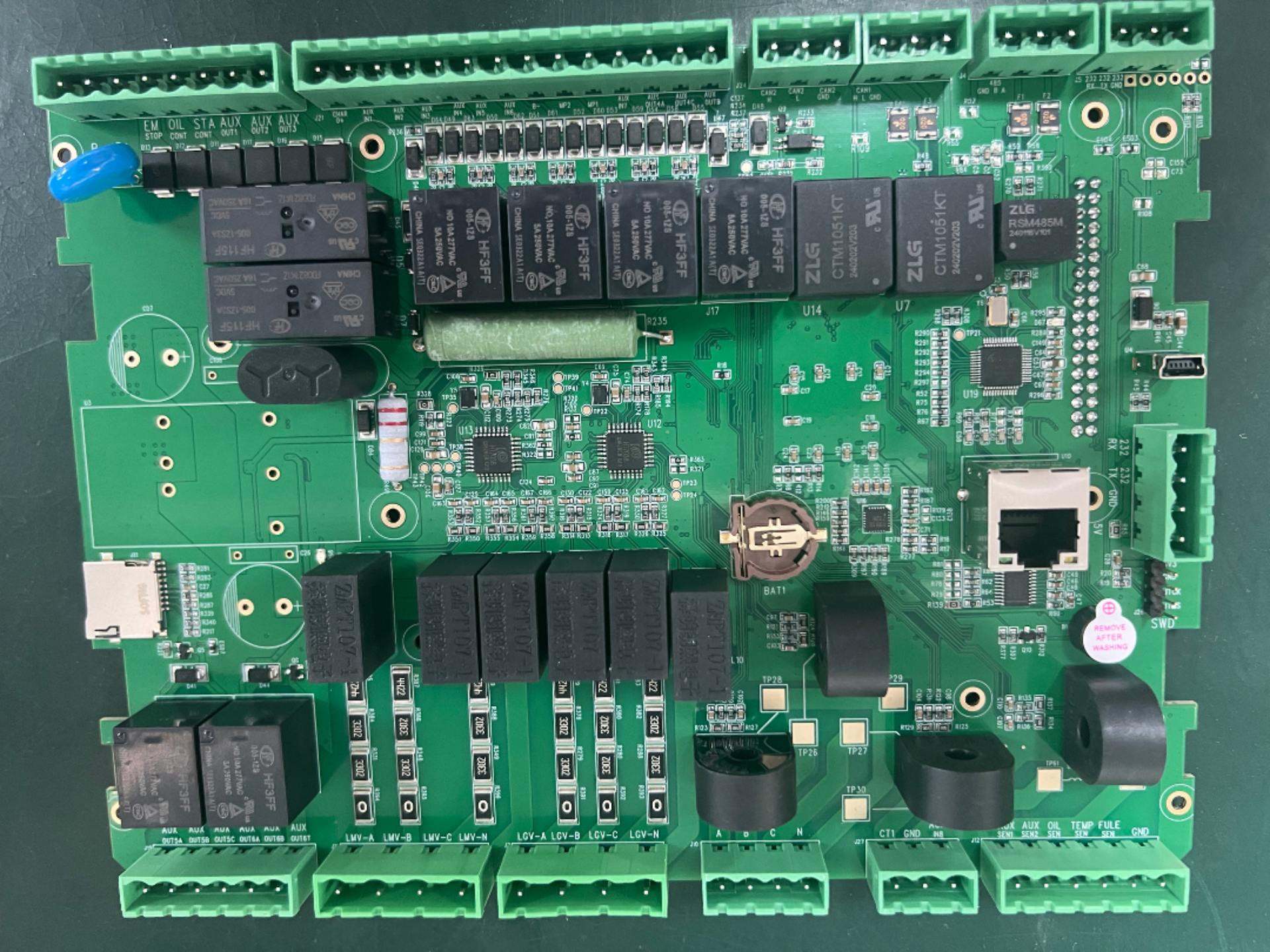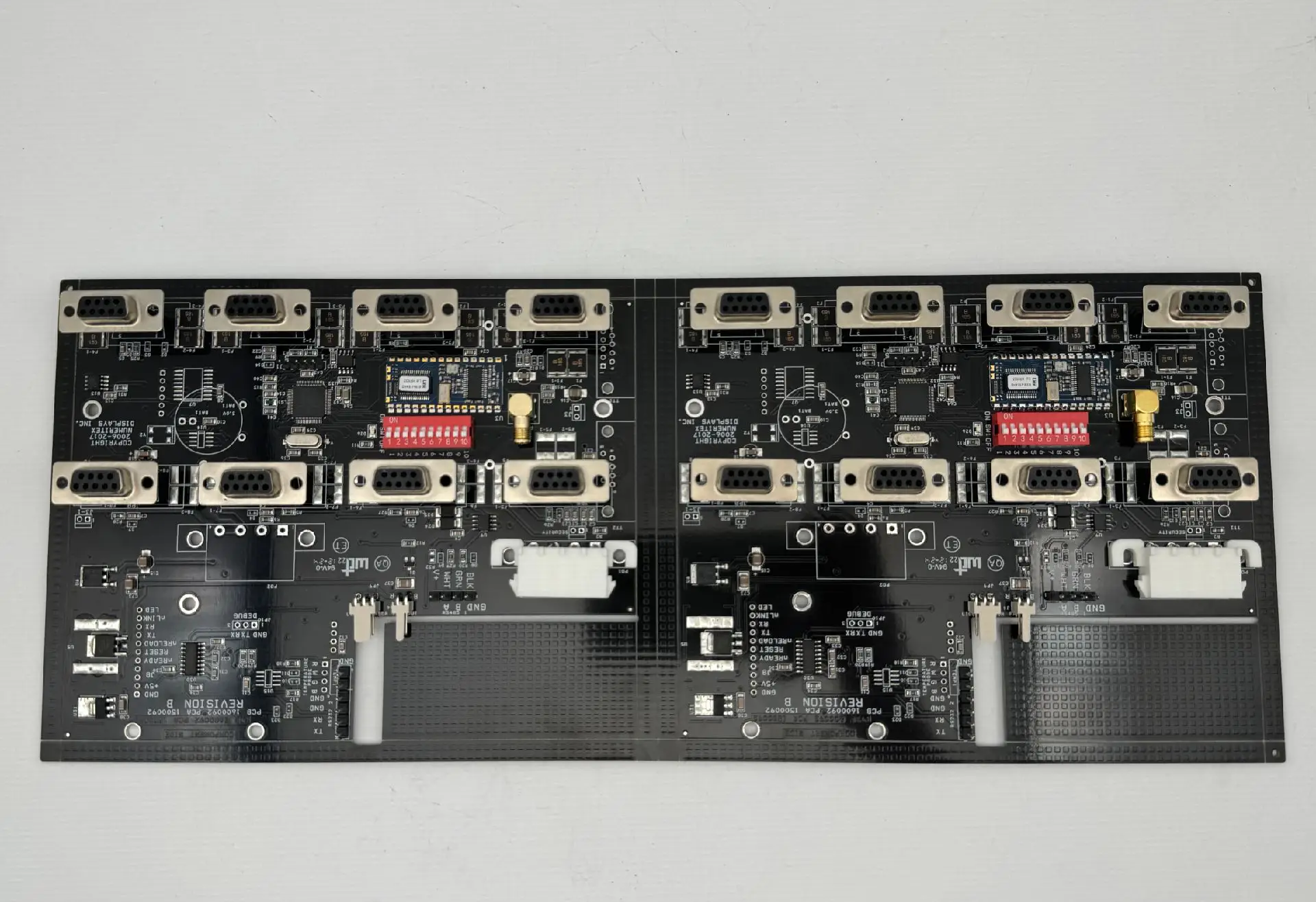
In PCB manufacturing, a very common release logic goes like this: the board surface has flaws, but electrical test passes, so it ships as normal.
The problem with this logic is not carelessness. It is that it draws an incomplete conclusion — “no failure right now” — and extends it to “no failure later.”
Flying probe and test fixture perform continuity testing, judging opens and shorts. They do not measure insulation resistance, do not verify dielectric withstand, and do not include accelerated stress tests such as thermal cycling or humidity-bias. In other words, electrical test answers “is conduction correct at this moment,” not “is it stable under long-term service conditions.”
Cosmetic defects usually point to a bonding problem
White spots, slight halos, and tiny pits on the board surface typically show nothing abnormal at room temperature, normal humidity, and short-term power-up. But what they indicate is mostly not a conduction issue — it is a bonding issue: whitening of the base material around the annular ring, voids under the solder mask, poor bonding between layers or between plating and base material. Once bonding carries a weakness, failure will not appear in outgoing test; it emerges gradually under stress.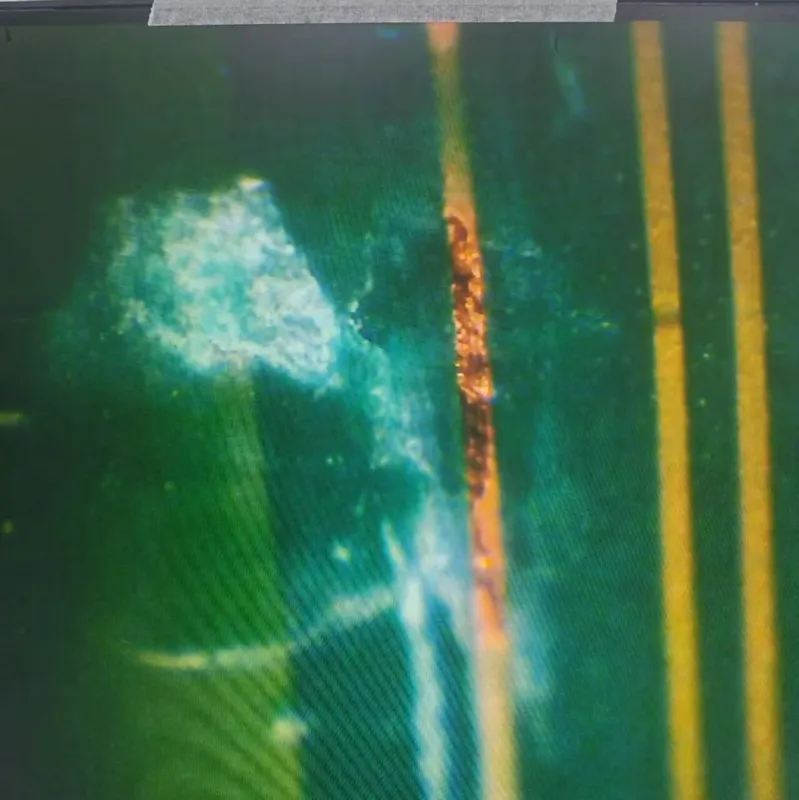
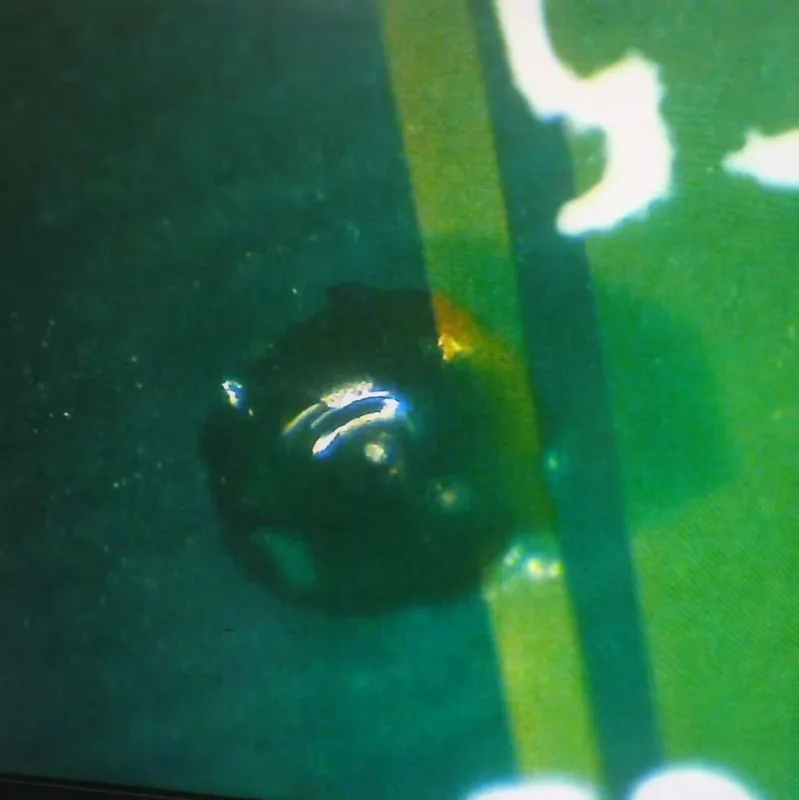
Three typical paths under stress
- Voids and pits under the solder mask form moisture paths. As humidity rises, surface insulation resistance falls and the probability of leakage and micro-shorts increases;
- White rings and halos around the hole indicate a weak point already exists at the barrel-to-resin interface — in an environment of combined humidity and bias, this is the classic starting point of ionic migration and CAF (conductive anodic filament);
- Under thermal cycling, the mismatch in coefficients of thermal expansion between materials acts continuously, and microcracks propagate.
Conclusion
Cosmetic defects do not necessarily cause immediate failure, but they do mean the reliability margin has been consumed in advance. Passing electrical test proves only “not broken yet,” not “will not break later.” Enforcing cosmetic acceptance criteria is not about appearance — it is about controlling the probability of field failure over long service life, and the cost of batch customer complaints that follows.